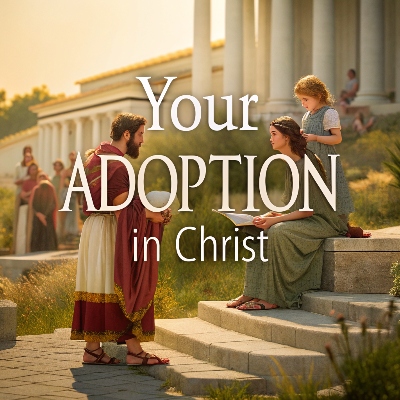
The profound reality of your adoption in Christ is articulated in Paul’s letter to the Ephesians. To comprehend this “adopting” means grasping the full impact, force, and power of the Kingdom of God, which is available to you and within you through the work of Calvary.
Eph. 1:5 Having predestinated us unto the adoption of children by Jesus Christ to himself, according to the good pleasure of his will,
Ephesians 1:5 proclaims that God has predestined us to be His adopted children. However, it’s crucial to understand that the concept of “adoption” in this verse differs from our modern understanding. In this context, God’s adoption of us doesn’t imply a choice or a familial relationship akin to today’s adoption practices. Instead, it holds a profound and powerful meaning that transcends our contemporary grasp. Let’s delve deeper into this concept and explore what God would say to us.
The Ancient Understanding of “Adoption”
The word “adopt” in Ephesians 1:5 signifies “to be set as a son.” In ancient times, when a child reached the age of 12, after undergoing training and guidance from their parents, they would be taken by their father to the marketplace where the family conducted business. The father would stand the boy in the midst of the bustling market and place his hands on his shoulders. Then, he would proclaim loudly, “This is my beloved son, in whom I am well pleased.” Does this sound familiar? From that moment on, every customer and vendor the family interacted with recognized the authority and binding nature of the son’s words, as if the father himself had spoken them. This is the essence of being “adopted” and “set as a son” in God’s kingdom.
Our Identity and Inheritance in Christ
Now, let’s explore how this concept manifests in our daily lives regarding our relationship with our heavenly Father. 1 Corinthians 1:30 provides a glimpse into this.
[1Co 1:30 KJV] 30 But of him are ye in Christ Jesus, who of God is made unto us wisdom, and righteousness, and sanctification, and redemption:
This verse in 1 Corinthians clarifies our identity in Christ and the presence of Jesus within us.
-
He is our wisdom. Jesus, His name, embodies our wisdom.
-
He is our sanctification. He acts as a guiding influence, drawing us closer to the Father and shaping us into His image.
-
He is our redemption. Adoptions are not free, but the blessing is that Jesus paid the necessary price at Calvary. He is the purchase price paid to bring you into the family of God.
-
Finally, He is our righteousness. The word “righteousness” means “the ability to stand upright before God with family entitlement and eligibility.”
What does this righteousness mean in your everyday life? It has to be more than a theological understanding, and in fact, it is. In your everyday life, the righteousness of God in Christ means that everything you say and do becomes as effective as if God said or did it! This is your adoption in Christ, the adoption that Paul is speaking of. It is more than your destiny; it is your predestiny.
Living in the Reality of Our Adoption
What does this expression of righteousness look like in your circumstance or situation? It means that you speak and God honors your declarations and decrees, bringing them to pass as though in a day. It’s what the apostles experienced as they went out preaching the word. This is recorded in the gospel of Mark:
[Mar 16:20 KJV] 20 And they went forth, and preached every where, the Lord working with them, and confirming the word with signs following. Amen.
The results were miraculous—healing, resurrection from the dead, and healing of hopeless cases. These signs and wonders became the everyday experience of the followers of Christ, and they will also be your everyday experience as you anchor your faith in the very nature of your relationship with God. Your life in Christ is not meant to originate or be walked out in an anemic, victim mentality. On the contrary, adoption brings about the experience of life as a “signs following” proposition. You see answered prayers, miracles received, and testimony—significant testimony in your life of the love, life, power, and awesomeness of God. This is for your benefit, and for the benefit of all those you encounter as they see what God has afforded them as well, if they will accept the claims of Christ and come into the New Birth experience.
The Nature of Your Sonship in God
“For adoption to sonship” (εἰς υἱοθεσίαν): The Greek word huiothesia is a technical legal term prevalent in Roman culture at the time, referring to the complete legal standing and rights of an adopted heir. Literally meaning “placing as a son,” it signifies being brought into God’s family, not as servants or mere acquaintances, but with all the inherent rights, privileges, and responsibilities accorded to a legitimate child, including the right to an inheritance. The use of this Roman legal term by Paul underscores the formal and legally secure nature of the believer’s relationship with God. While the term often denotes “sonship,” many translations also use “children” or “sons and daughters,” highlighting the inclusive nature of spiritual adoption, extending to all believers regardless of gender or background.
Now this adoption is “by Christ Jesus.” In other words, it doesn’t come to you because of any mystical understanding about spiritual things. Jesus is a simple savior and the simplicity of your adoption is that it flows not from who you are or what you have done, but who Jesus is and what He did for you on Calvary 2000 years ago. “Through Jesus Christ” (διὰ Ἰησοῦ Χριστοῦ): This crucial phrase indicates the indispensable role of Jesus Christ as the mediator and the means by which spiritual adoption becomes a reality. Adoption into God’s family is not attainable through any other means than through faith in and the work of Jesus Christ. This underscores the mediatorial role of Christ in God’s plan of salvation and adoption, and its visceral impact on who you are, your life’s experience and your vital place in the kingdom of God.
Why has God brought this about? “In accordance with his pleasure and will” (κατὰ τὴν εὐδοκίαν τοῦ θελήματος αὐτοῦ): The Greek word eudokia refers to God’s good pleasure, benevolent intention, or kind will, while thelēma denotes God’s will, purpose, or decree. This phrase emphasizes that God’s decision to adopt you among the believers in Christ stems solely from His own loving and sovereign will, and not from any inherent merit or worthiness you must attain for it to become a reality. This highlights the gracious and unmerited nature of spiritual adoption.
Historical and Cultural Context of the Adoption of Sons in Christ
To fully appreciate the significance of Paul’s use of the term “adoption” in Ephesians 1:5, it is crucial to understand the practice of adoption within the historical and cultural context of the first-century Roman Empire. In Roman society, adoption was not merely a private matter but a formal legal process with profound social and legal ramifications. It often involved the adoption of adult males, particularly as heirs to prominent or wealthy individuals. An adopted son in Roman law possessed full legal standing within his new family, enjoying all the rights and privileges of a natural-born son, including the right to inherit and the cancellation of any previous debts or obligations to his former family. This is so important to understand, because you were born indebted to sin and condemned to the consequences of sin in this life and eternal separation from God in the next life, but NOW you are adopted into God’s family and your sin-debt is cancelled and held as non-binding upon your destiny in the Courts of Heaven!
This ancient historical and cultural context significantly illuminates the depth of meaning that Paul intended to convey through the metaphor of adoption. The security, comprehensive rights, and elevated status associated with Roman adoption provide a powerful analogy for the believer’s secure, privileged, and transformed relationship with God through Christ.
-
You are secure in Christ by this adoption.
-
You have status, ELEVATED status in God’s kingdom because of this adoption.
-
You are a privileged child of the kingdom because of this adoption and not any other thing that you have to make happen, or learn or achieve spiritually speaking.
-
You have relationship with the Father because of this adoption and He invites you to intimacy, nearness and blessing not because of who you are or what you have done but because of who Jesus is and what He did for you 2000 years ago.
Modern vs. Ancient Understandings of Adoption
In contrast to ancient Roman practices, modern Western adoptions often focus on providing a loving home and nurturing environment for children in need. While both forms of adoption involve bringing someone into a family, the primary motivations and typical circumstances differ considerably. This contrast underscores that Paul’s use of the adoption metaphor in Ephesians likely drew more heavily from the Roman understanding of a formal, legally binding act that conferred significant rights and a new identity upon the adopted individual, emphasizing the transformative change in status and the inheritance received by believers in Christ.
This is important to understand. Your adoption does not flow from the mere affection of the Father as pleasant as that might be in our walk with Him. Your adoption is a formal, legally binding act intended to confer upon you:
-
Significant rights and privileges.
-
A New Identity.
-
A change in status.
-
Inheritance.
The Implications of Our Righteousness in Christ
Understand this then, you have rights and privileges in God. This is what “righteousness” confers upon you as it is taught throughout the New Testament. In the Old Testament “righteousness” was based on adherence to the Law, but in the New Testament righteousness does indeed make demands upon the recipients, but Jesus through the work of the Cross has stepped up to the Judgment Seat of heaven, offering and pointing to the sacrifice of Calvary as the purchase price, fulfilling all the demands of heaven that must be paid and have been paid for your to be translated, transferred from a sin-laden condemnation to the inheritance of sons by God Himself.
You have a new identity. No longer are you godless, forsaken or rejected. You are accepted in the beloved. Your prayers in the past to which the heavens were brass are now lovingly and promptly laid by the angels upon the altar before the Lord, and because you are a son, your prayers become a sweet smelling incense that the Father delights in, accepts and will surely respond fully and promptly to the fulfilling of your every need.
You have status, you have inheritance. Before you came to Christ you had no standing in the Father’s family. But now you not only have acceptance (which flows between you and God Himself) but you have authority. All of heaven and earth are attuned, and commissioned to respond to the faith-filled prayers you offer up in His name and you may freely and joyfully expect a positive response in heaven that Paul delineated in 2 Cor. 1:20:
[2Co 1:20 KJV] 20 For all the promises of God in him are yea, and in him Amen, unto the glory of God by us.
Reflection and Review
The concept of adoption in Ephesians 1:5, viewed through the lens of ancient Roman culture, reveals a profound truth about our relationship with God. It’s not merely a sentimental inclusion into a family, but a legally binding act that grants us significant rights, privileges, a new identity, an elevated status, and an inheritance through Jesus Christ. Our righteousness in Christ empowers our words and actions, aligning them with God’s will and opening the door for miraculous experiences. This understanding shifts our perspective from a place of lack to one of confident sonship, where we can expect God to honor our declarations and manifest His power in our lives.
Call to Action
- Meditate on your identity in Christ: Take time daily to reflect on what it means to be adopted as a son or daughter of God, focusing on the rights and privileges this confers upon you.
- Speak with the authority of your adoption: Recognize that your words, spoken in faith, carry weight in the spiritual realm because of your righteous standing in Christ. Begin to declare God’s promises over your life and circumstances.
- Embrace your inheritance: Understand that as an adopted child of God, you are entitled to the blessings and promises of His kingdom. Live with an expectation of receiving these provisions.
- Step into a “signs following” mentality: Believe that God desires to confirm His word with miraculous signs and wonders in your life and through your actions, just as He did with the early apostles.
- Share this truth with others: Help others understand the powerful reality of their adoption in Christ and the incredible inheritance and authority they have through Him.
Discover more from Fathers Heart Ministry
Subscribe to get the latest posts sent to your email.